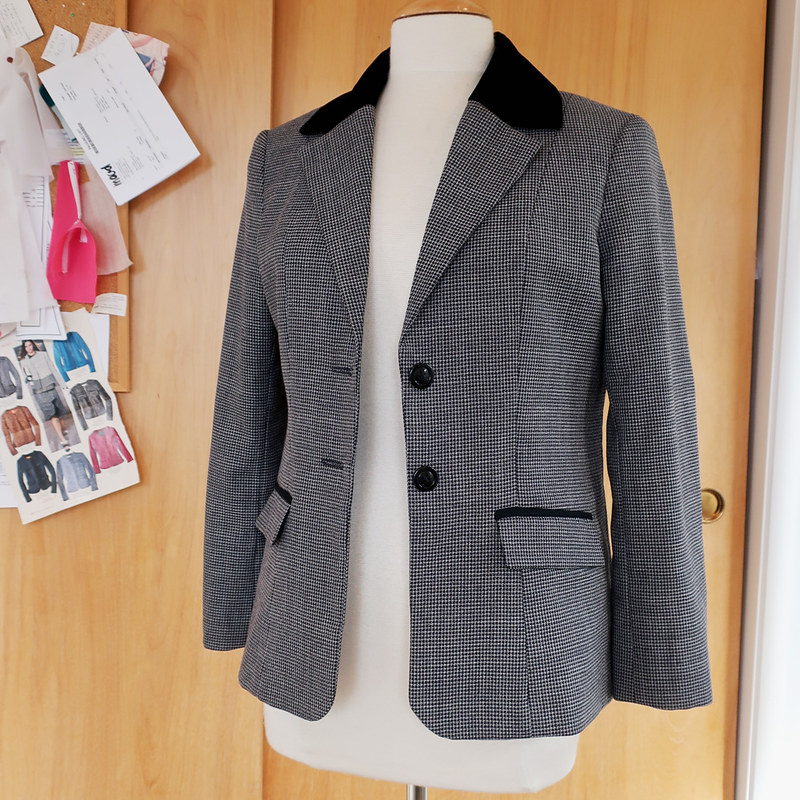
So during January when I had to wait on finishing the blazer I sewed for Heather, I sewed up this blazer jacket for myself. I have a older jacket in my closet that I can't part with, it's black and white houndstooth check I made using a Ann Klein Vogue pattern ages ago. It's slightly dated and I shortened it a while ago, not entirely successfully (you can see it worn here).
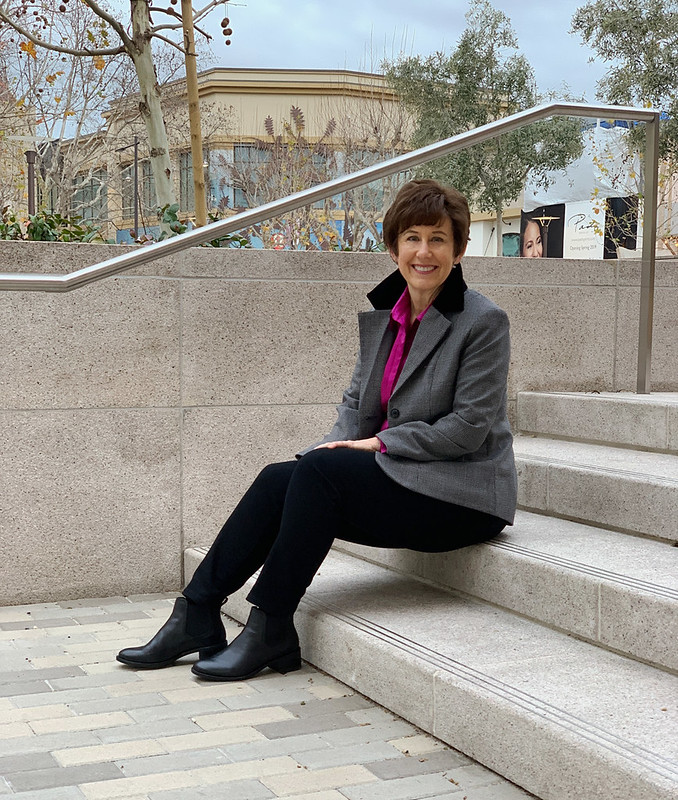
But I had so much use out of that jacket I decided I needed a new one in my wardrobe. This version is the Pauline Alice Saler Jacket pattern. This is my second version, as I tested this pattern for her in 2016. I think she is one of the few people that make outerwear with nice details and I always look forward to seeing what she comes up with. (other coats I've made from her patterns, neither one for me as it happens, the Quart Coat and Hemisferic Coat.
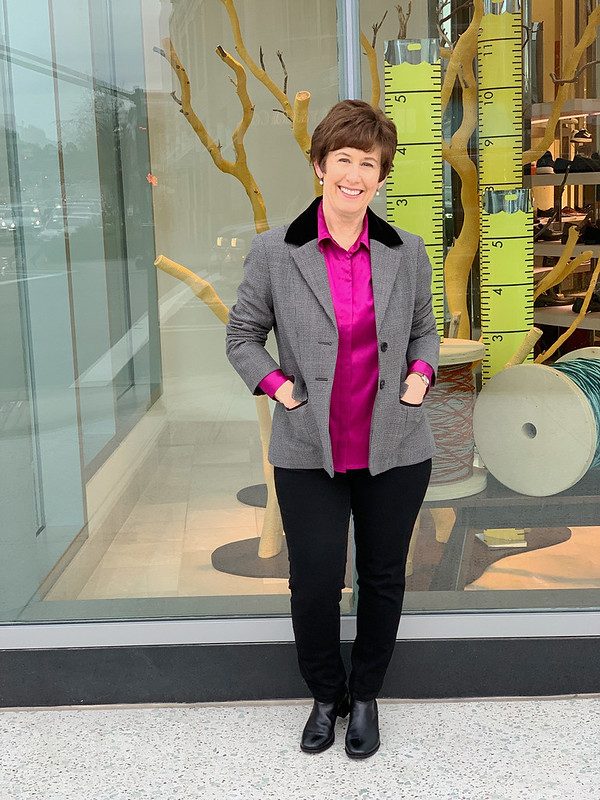
I was out for a glass of wine with a friend and figured I would take a few photos of this jacket but to my delight we happened to walk by this window display which seems perfect for a sewing obsessive like me.
The fabric for this jacket is something I ordered from Fabric Mart I think just after Christmas. On the website it looked more black/white to me and I was slightly disappointed when it arrived and it looks more like grey, the checks are smaller than I anticipated. But it is a really nice quality wool, perfect for this type of jacket.
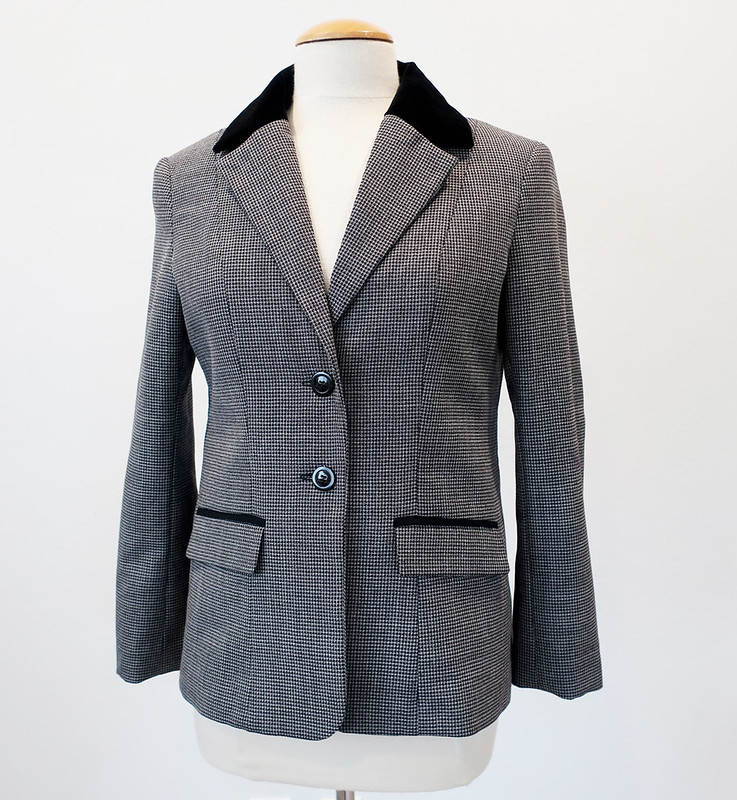
I decided to make the collar as a contrast and used black velvet for the upper collar, and then black wool crepe for the under collar and the pocket welts. Both small remnants in my stash. I hoard all pieces of velvet and velveteen for uses just like this one because while I love to wear wool I have an aversion to anything itchy touching my neck. Problem solved!
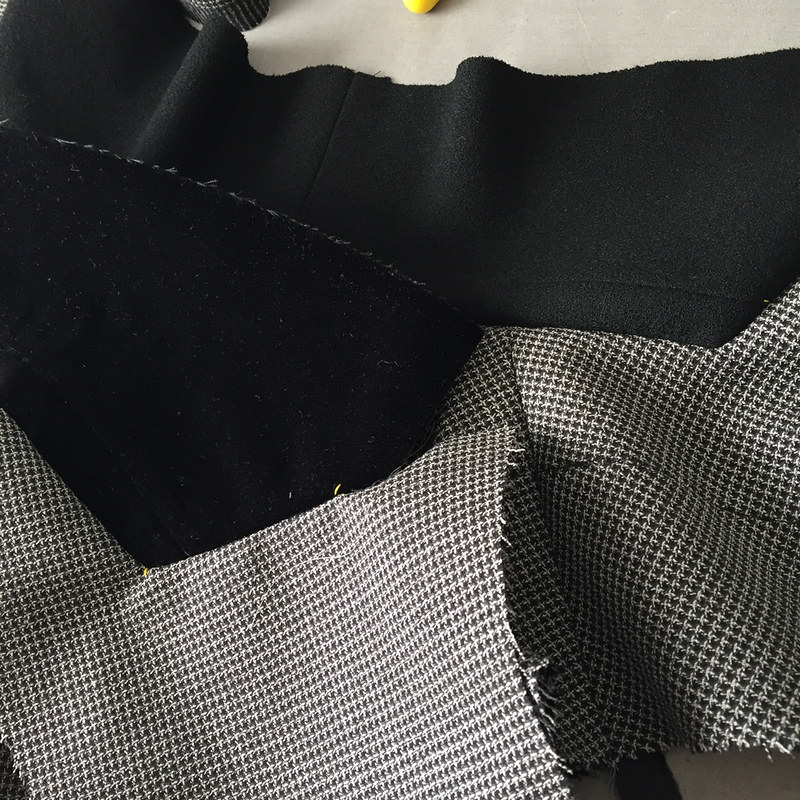
Pressing velvet is a very specific technique and also I have a needle board, or velvet board which I've had for a long long time. Every time I mention it I get asked about it, the brand it Dritz so it's not some exotic item but I think very few fabric stores carry them. I just did a search and they are between $ 70-140 on various places so if you see one at a garage or estate sale buy it!
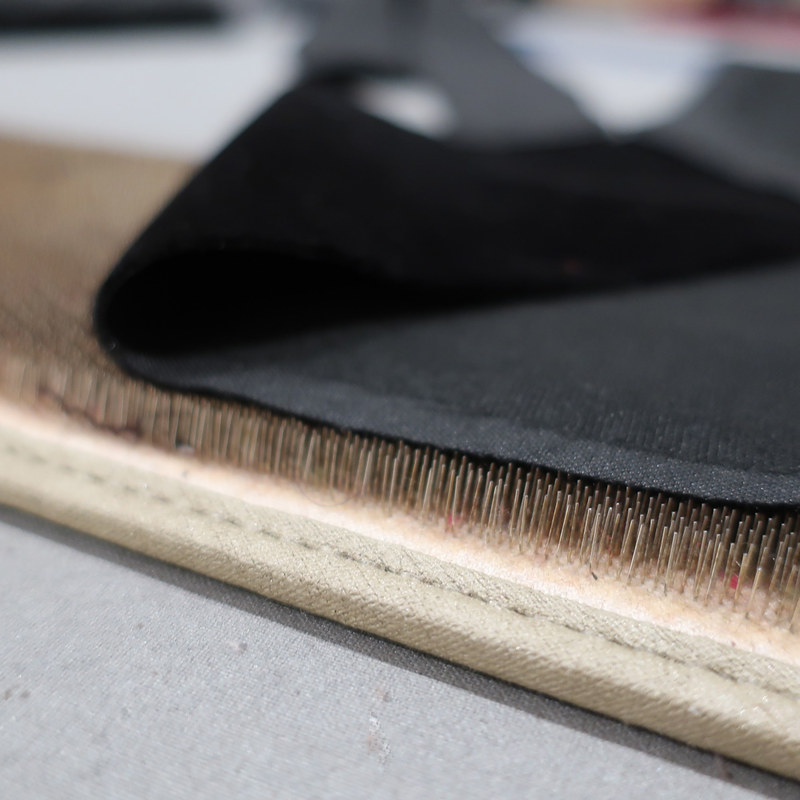
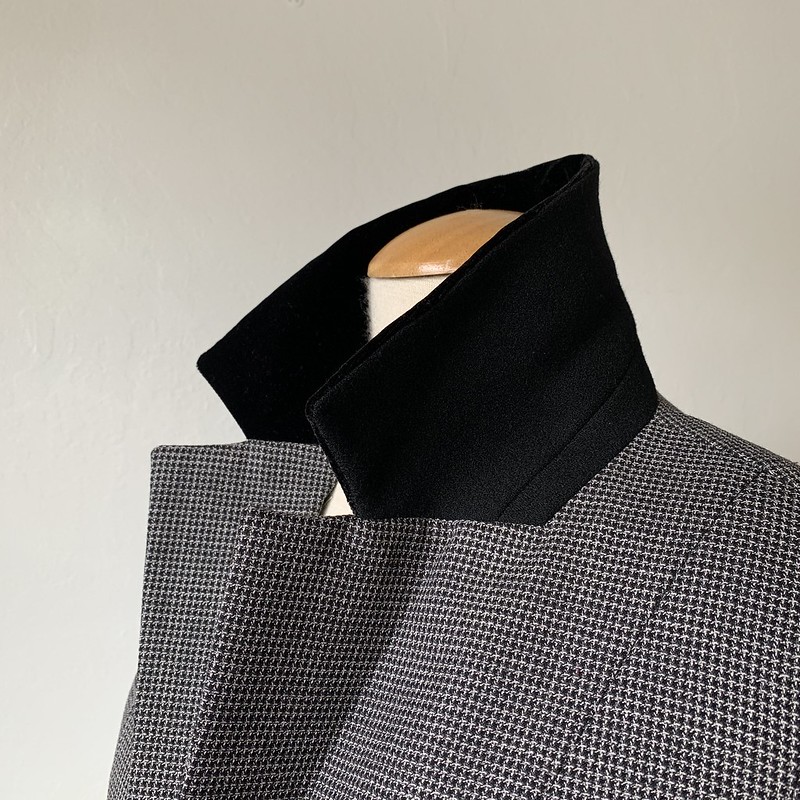
But using the needle board generally means no worries on pressing things like this velvet upper collar. I use it on other napped fabrics like corduroy and velveteen, even some wools.

I rarely button up jackets like this but it was very chilly! OK chilly for us here in N. Cal.
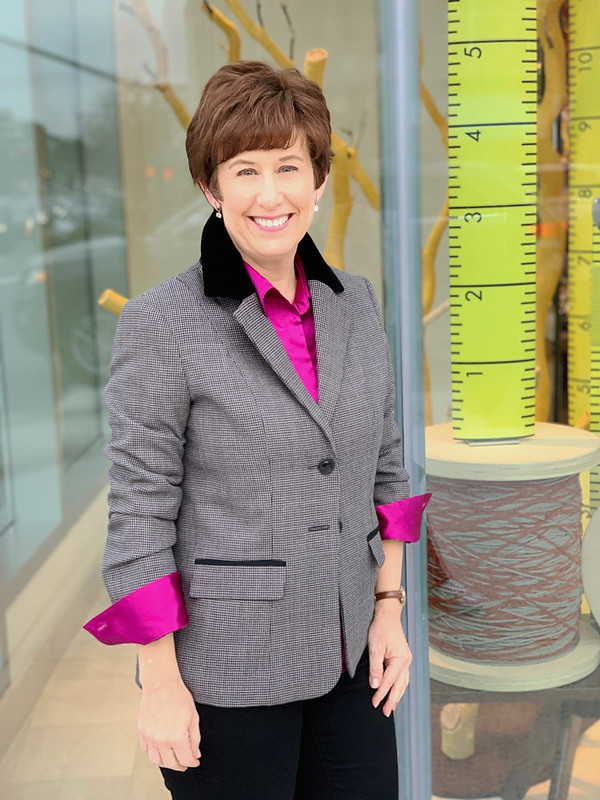
By the way - I will do a blog post next on the shirt I'm wearing - it's not quite that color in real live but almost. I just got the latest iPhone and am still figuring out the various photo settings. (and I miss the home button!)
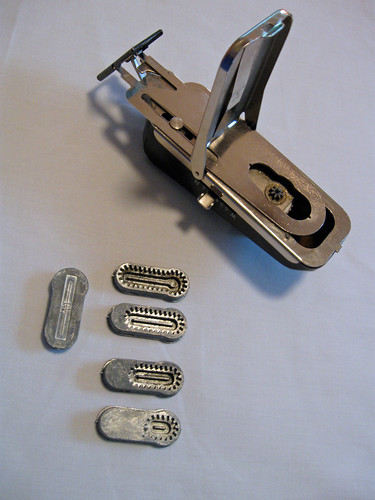
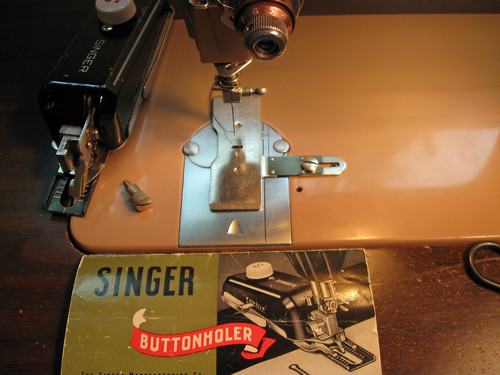
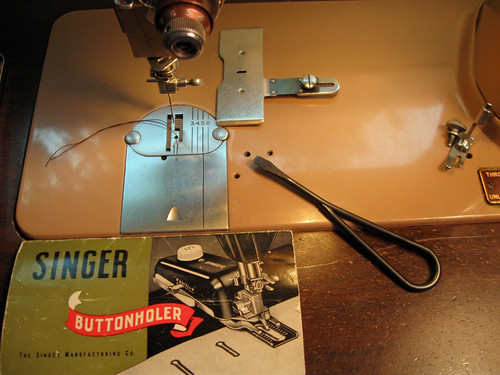
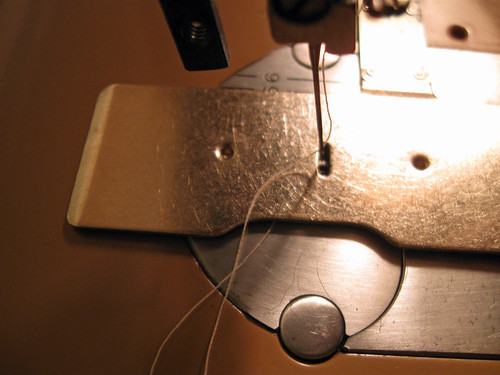
Let's talk buttonholes. I wanted this jacket to have a traditional look so I opted for stitched buttonholes and used my ever trusty Singer and the best buttonhole attachment, and chose the keyhole buttonhole template.
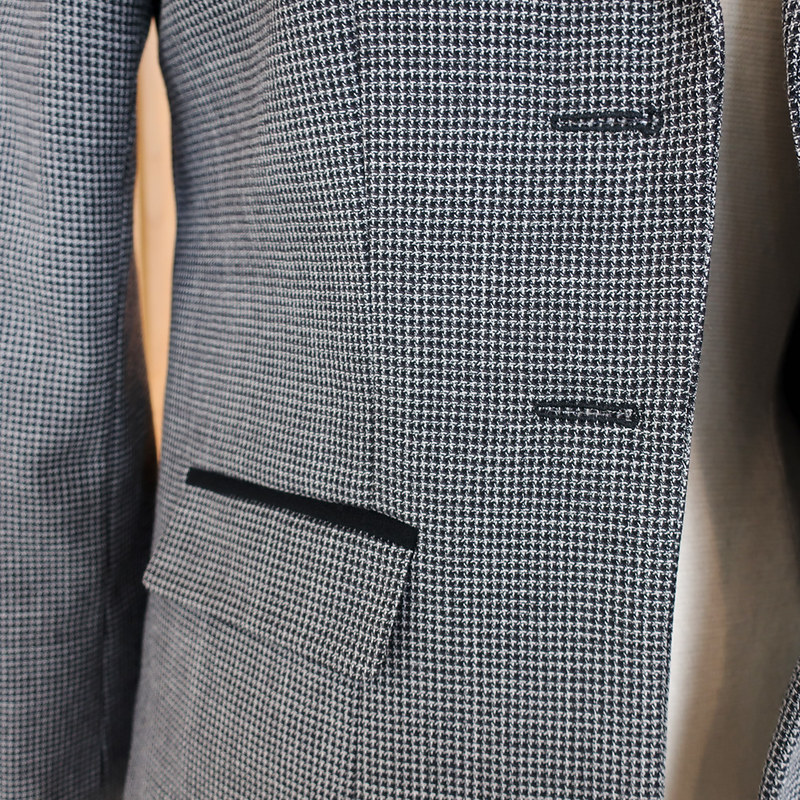
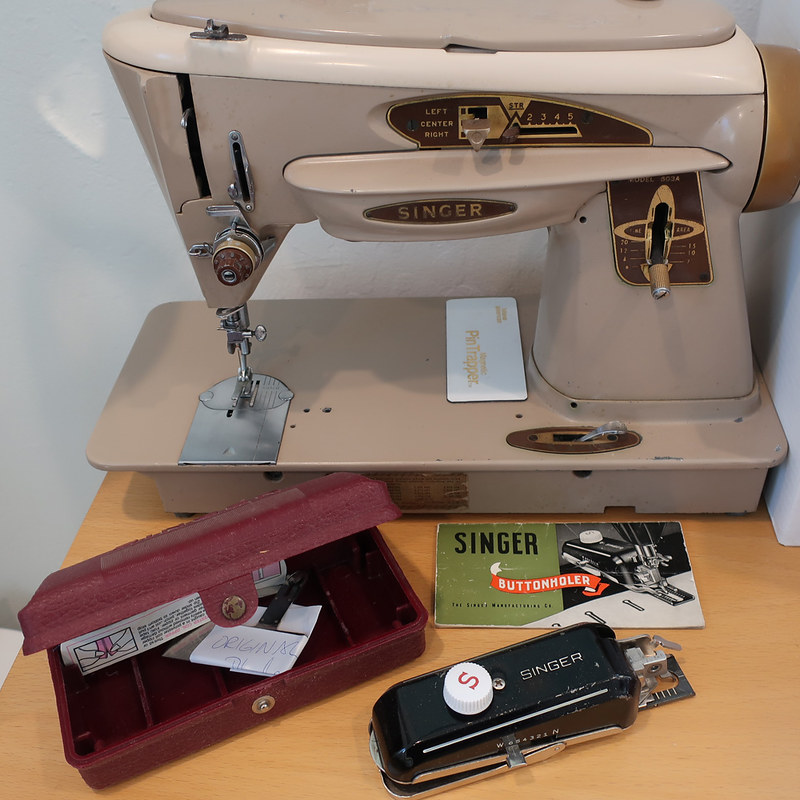
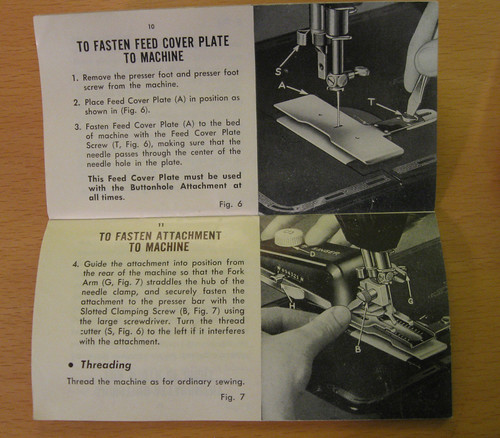
That's my Singer (one of them) and the buttonhole attachment. It works on all the Singer Slant Needle machines.
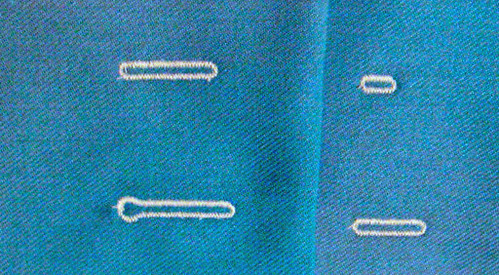
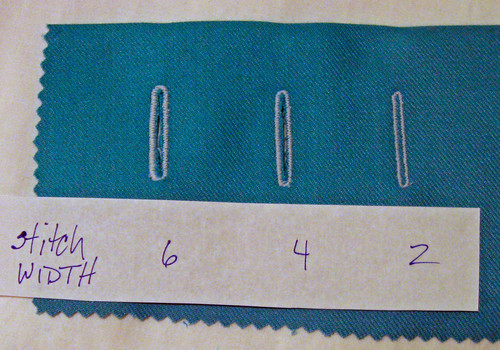
Here is a sampling of buttonholes made using this attachment. It uses templates, the metal keyhole template is shown below. So you can't change the size of the buttonhole once you have chosen the template. I find the templates available cover all the sizes needed, and since I made this reference sample I've found more templates at sales (including a round one that is perfect for making the holes on a belt).
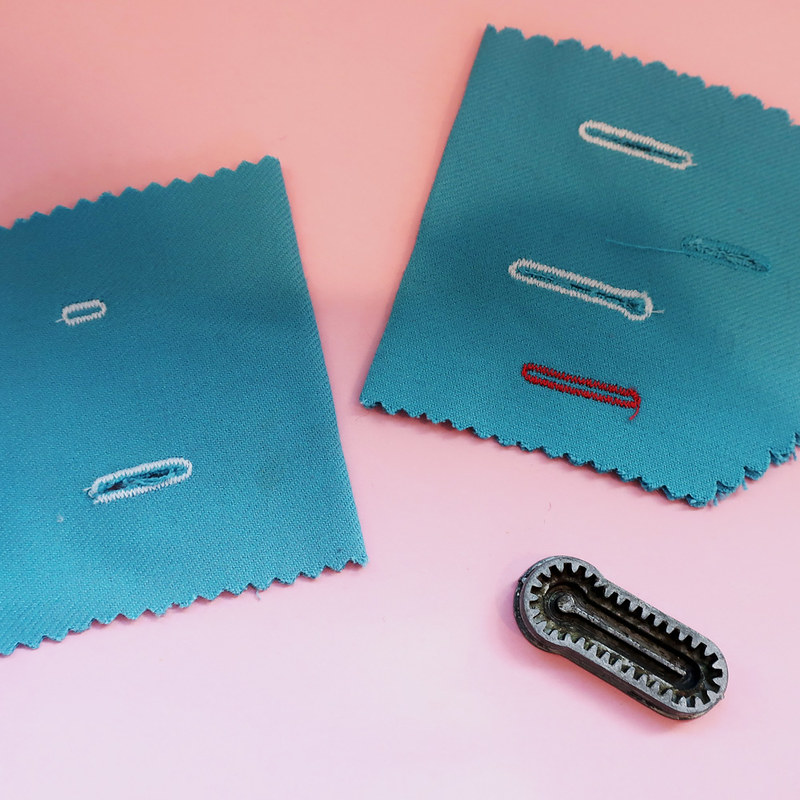
It's definitely the opposite of electronic - it makes quite a noise but I like it as you can go around as many times as you want, with the exact same pattern so you can make a good thick buttonhole which is ideal for a lot of fabrics. If you're super interested in all things buttonhole then I did a post about this ages ago, with a lot more photos and details plus video of the thing in action. Here's the link.
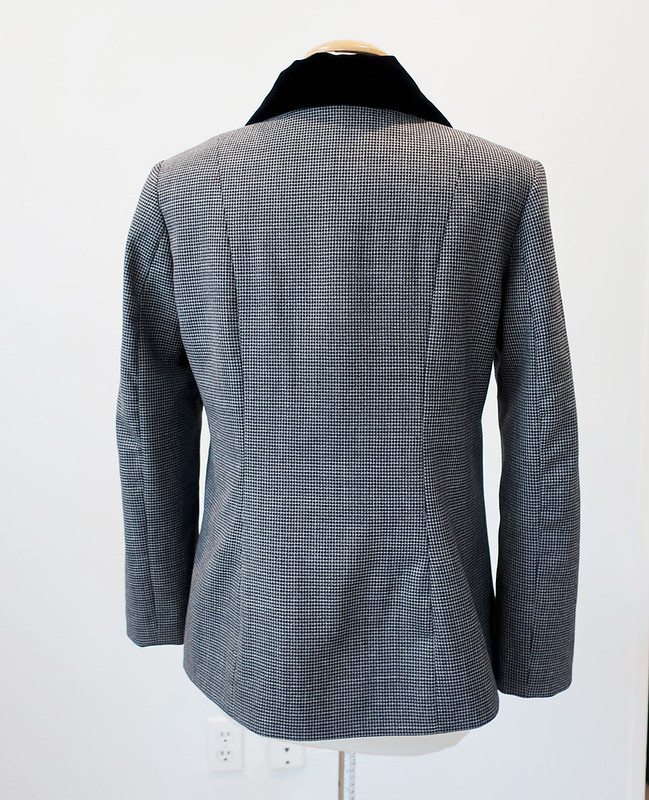
Back view, and it fits me a lot better than on this dress form.
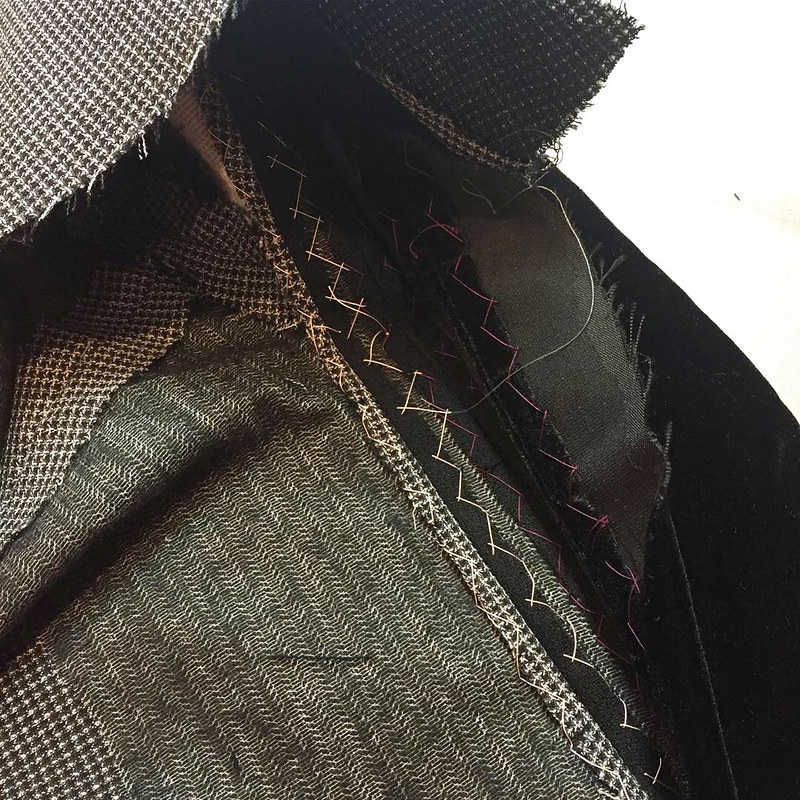
A little inside peek because everyone seems to like seeing that :) I do a combo of hand stitching of seams and fusible interfacing.

Yeah I'm on a roll with the silk shirts lately and now have a few sizable scraps which I'm figuring out how to combine into one jewel toned extravaganza of silk top-ness. Stay tuned!
Note this jacket has shoulder princess seams which make it very easy to get the right fit at shoulders waist and hips. I use my measurements and veer between sizes and then adjust when I have it sewn together, with a bit of nipping in at the waist or hip as needed.
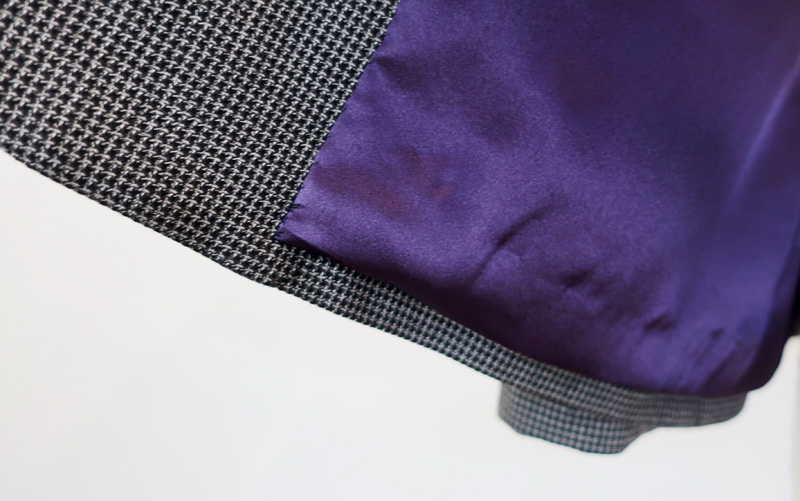
Purple satin lining because that's what I found in my box of linings. A slightly weightier lining but perfect to add a bit of heft to this jacket. I love a nice satin lining and while I don't usually go for any novelty lining a suitably jewel toned one is OK with me.
If you use the search box in the right hand column you can find all kinds of jacket and coat posts with lots of details. Also as I mentioned in my previous post you can look at the Highlight "Wool Jacket" on my Instagram profile page to see all the steps in the wool jacket I sewed recently for Heather.
Up next - I just finished another Burda magazine item, and an ultra suede version of skirt Vogue 1247 - that perennial favorite. Plus a Tamarack jacket as I taught that class over the weekend with lots of really fun jackets accomplished. Coming up a fitting class on Thursday 3/14, and then check the web page for Hello Stitch, classes are really filling up fast. There might be one or two spots open in the wrap dress class which is on Sat. March 23. Something new - I'm going to do a Culotte class as that seems such a great wardrobe item for spring/summer (or anytime). And Ash jeans again - in the beginning of June. Hope to see you there :)
In other news, should I mention that I saw the first tulip in my garden this morning? While we are still in the midst of a very rainy winter (which is great for our water needs!) I think spring is on it's way. At least here it is, I feel for you all in the polar vortex!
Happy Sewing, Beth
today's garden photo, these pink camellias are so messy but such a pretty shade of pink.